
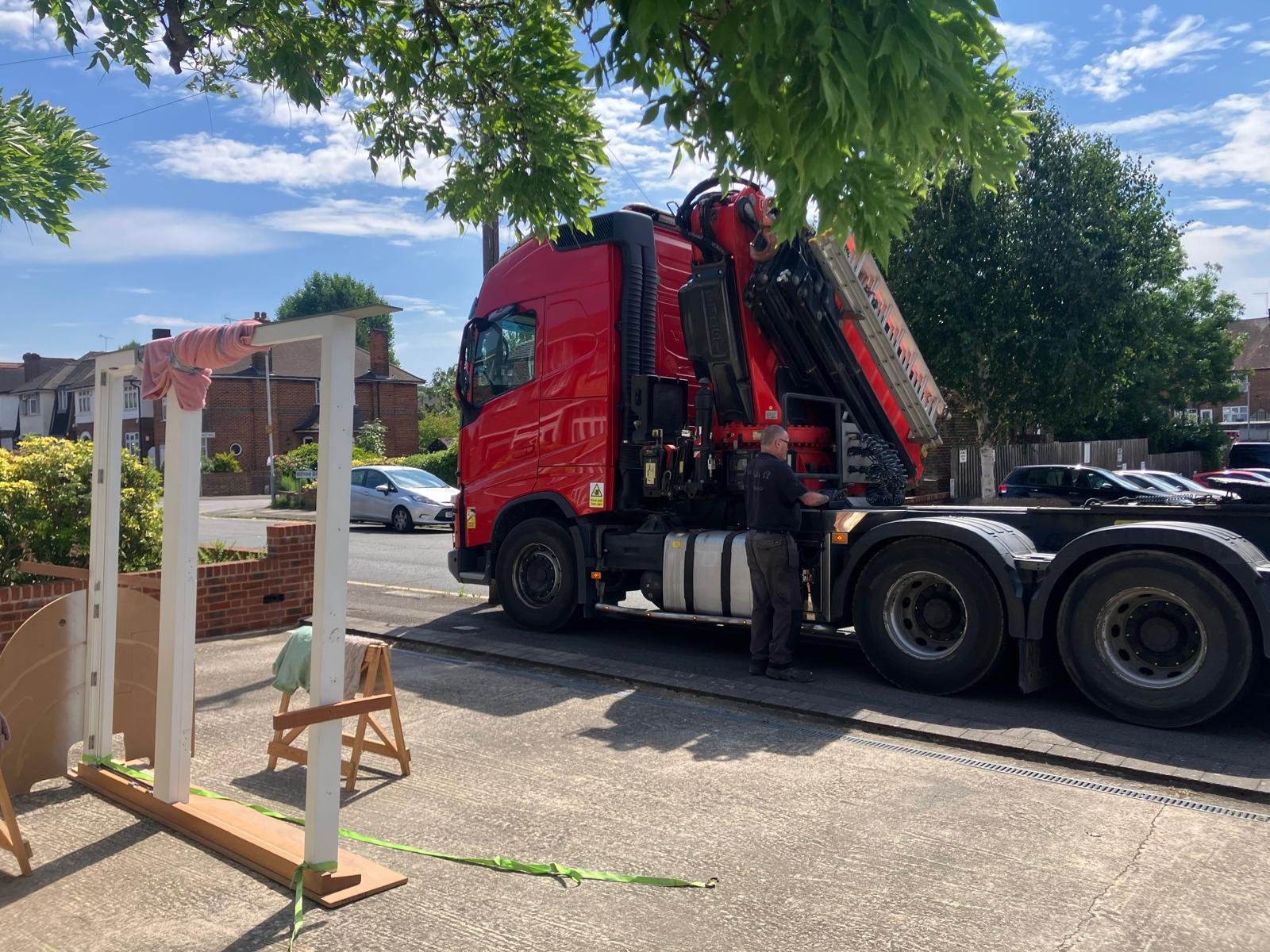
When you need to move a heavy item, asking how much HIAB hire costs in London is a sensible first step. The challenge is that a short description rarely gives a supplier enough information to assess the work accurately. A quotation needs to reflect the load, collection and delivery locations, proposed lifting arrangement and time involved. Two jobs with similar journey distances can still require different resources or preparation. This guide explains how to prepare a useful quote request, compare proposals and identify the details that can affect the final arrangement. It focuses on making your enquiry clearer, whether the move is around Heathrow, elsewhere in West London or across Greater London. Why a Headline Rate Is Only a Starting Point An hourly or daily rate can be useful, but it does not explain the full scope of a particular job. Before comparing prices, ask what period is being charged and which activities are included. For example, you need to understand how the proposal treats travel, time at collection, the journey between addresses and time at delivery. Ask whether the price is fixed for a defined task or based on an estimated duration. Do not assume that two similarly labelled rates cover identical services. A written description of the work gives you a better basis for comparison than a headline figure. It also helps identify questions that need answering before you accept the booking. The Load Shapes the Enquiry Provide accurate weight, dimensions, quantity and handling information. The proposed equipment must be assessed against the actual requirement, so the description of the load is central to the discussion. Tell the supplier whether the item is already available for collection or still needs preparation. Include current photographs and relevant manufacturer information, especially where the item is unusual or has been modified. Avoid requesting a price for an incomplete description and then adding significant details after acceptance. It is more useful to say which information remains unknown. The supplier can explain what is needed before providing a firm proposal, reducing the chance of a quotation being based on assumptions that later prove incorrect. Addresses Matter More Than Approximate Mileage A route described as “Heathrow to London” covers many possible journeys. Give the exact addresses, postcodes and entrances so the supplier can consider the real collection and delivery arrangement. Explain any appointment system, access instructions or site restrictions you have received. If the address is on a large estate, identify the correct building and entrance rather than leaving the visiting driver to locate them. Ask how the proposed timing fits the route and the premises’ opening hours. A realistic schedule should allow the collection and receiving teams to take part as agreed. If you have flexibility, explain it and ask whether alternative dates or appointment windows would change the proposal. Working Time Includes More Than the Lift Customers sometimes focus on the moment the load leaves the ground. A booking can also involve arrival procedures, positioning, checks, preparation, loading, securing and handover. Ask what the supplier has allowed for at each location and what depends on your site being ready. If a merchant requires a collection appointment or a business has a lengthy sign-in process, disclose that information. For your own budget, consider the people who must attend and any preparation being arranged separately. A low transport figure may not describe the complete project cost if you also need another contractor to prepare the load or make the destination available. Keep those costs visible when planning the work. Lifting-Only Hire and Transport Are Different Enquiries You may need a load moved between addresses, or you may only need a lifting operation at a site where the item already stands. Explain which applies before asking for a quotation. For a site-based enquiry, describe the current position and intended destination within the premises. For a transport enquiry, provide equivalent information for both addresses. MC Recovery publishes details of on-site HIAB hire in Brentford alongside its HIAB hire service in Heathrow. These can help you frame the initial discussion. The final proposal should still specify the actual work rather than relying on the service name to define everything included. Clarify Planning and Responsibilities Ask who will plan the lifting operation, provide any agreed additional personnel and manage the receiving arrangements. Confirm what information you must supply and which tasks remain with your business. HSE’s lifting operations guidance explains that responsibilities for crane operations need to be understood and agreed. Do not assume that a quotation for a crane vehicle automatically includes every planning, supervision or site-management task your project requires. A useful proposal makes the scope understandable. Where an item is excluded, ask how it will be provided and whether the booking depends on it. Resolving these questions before acceptance helps you compare quotations for equivalent work rather than different interpretations of the same enquiry. Check Permissions and Separate Site Costs Some jobs require arrangements beyond the vehicle booking. The need depends on the location and proposed activity, so ask the relevant authority and supplier what applies. For example, Hillingdon Council’s parking suspension information distinguishes suspension charges from additional licensing charges associated with activities including crane operations. Check current requirements and fees directly rather than relying on an old example price. Ask who will make applications, what the quotation includes and how outstanding permissions affect the date. If your project has separate costs for access, site preparation or specialist attendance, include those in your overall budget. The aim is a complete picture of the move rather than a vehicle price considered in isolation. Ask About Waiting, Changes and Cancellation Before confirming, read the terms covering waiting time, amendments and cancellation. Ask how charges are calculated if the load is unavailable or the receiving site cannot accept delivery. These questions are particularly useful where you do not control both premises. A seller’s delay or a contractor’s incomplete preparation may affect transport even though you placed the order on time. Clarify how to report a change and
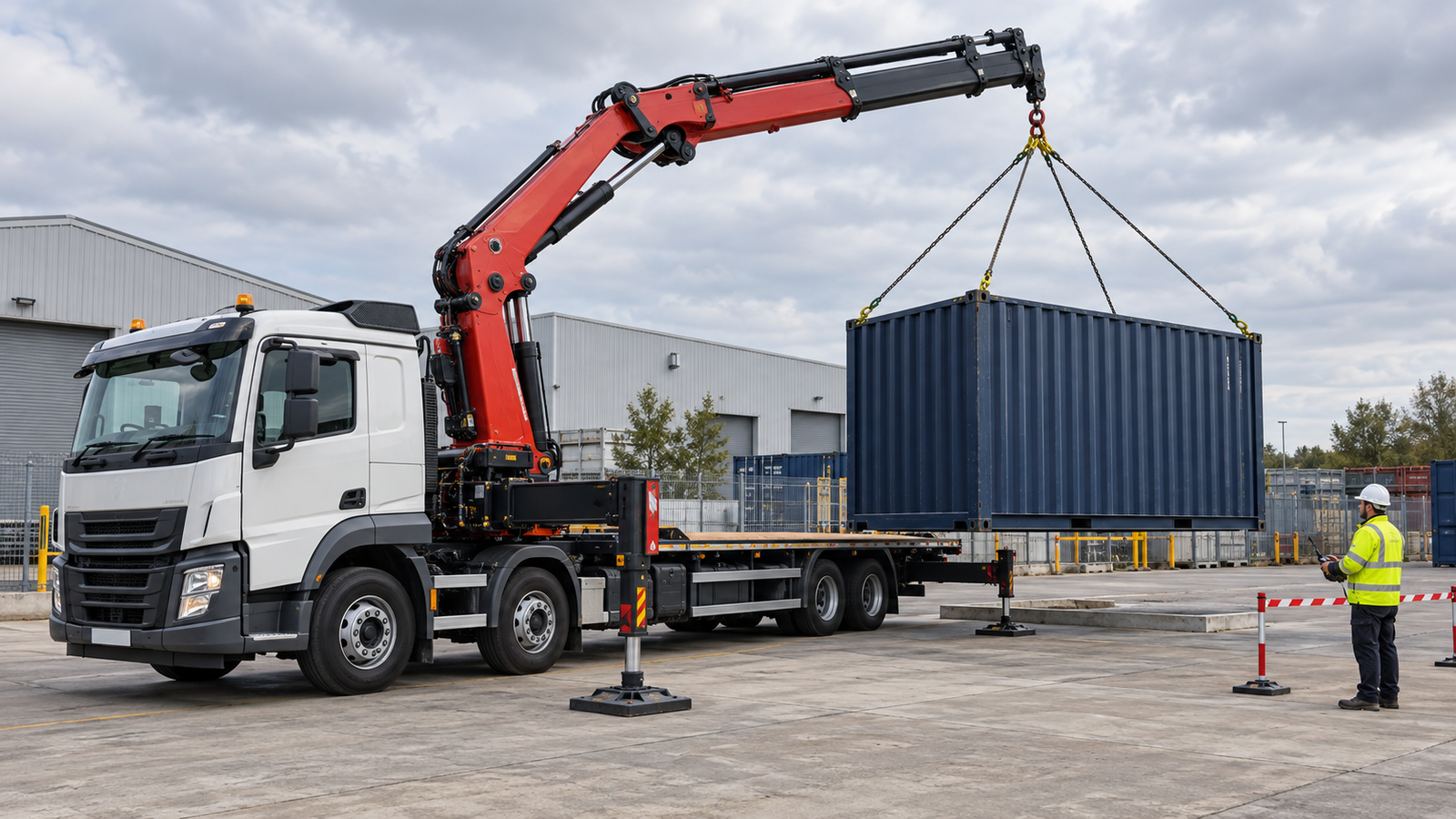
Container Transport Near Heathrow: Preparing for a HIAB Delivery
A storage container or site cabin can provide useful space, but arranging its delivery requires more than choosing where it should stand. The unit has to be identified accurately, released for collection and accepted at a location that has been assessed for the proposed vehicle and lifting operation. If you are considering HIAB hire near Heathrow for a container move, start with the unit’s details and the conditions at both addresses. A suitable arrangement depends on the actual load, its condition and the access available. This guide explains how to prepare a container transport enquiry, coordinate the people involved and avoid common misunderstandings when moving a unit around Heathrow, West London or the wider Greater London area. Identify the Unit You Want to Move “Container” can refer to several different items. A shipping container, converted office, storage unit and welfare cabin may look similar in a brief photograph while having different handling requirements. Give the supplier an accurate description, overall dimensions and reliable weight information. State whether the unit has been converted, fitted out or modified since manufacture. Internal partitions, equipment and other additions should be disclosed. Where possible, provide identification details and the manufacturer’s relevant handling documentation. Photographs should show the whole unit as well as important features. If buying from a seller with several units on site, identify the exact one being collected so the enquiry and collection instructions refer to the same item. Confirm Whether the Unit Is Empty A unit described as empty may still contain shelving, fixtures or loose equipment. Tell the supplier what remains inside and whether those items are included in the move. If you intend to transport contents with the unit, describe them and ask whether that proposal can be assessed. Do not assume that a container can carry everything currently stored inside simply because its doors will close. Arrange for the owner to verify the condition and contents before the final booking details are agreed. If the unit is being cleared by another company, obtain confirmation that the work is complete. This helps prevent a collection team arriving to find a different load from the one described. Explain Its Condition Honestly Older containers and cabins may have damage, corrosion or previous repairs. Provide clear photographs and tell the supplier about known problems, especially where they relate to the unit’s structure or handling features. A sale listing rarely contains all the information needed for transport assessment. Ask the seller for current images rather than relying exclusively on photographs taken when the unit first went into service. If its condition is uncertain, explain that uncertainty. The supplier can then advise what further information or specialist assessment is required. It is better to establish suitability before agreeing a firm collection than to discover that assumptions about the unit cannot be supported. Check Collection Access With the Owner The unit’s present location matters. A container that was easy to deliver several years ago may now sit behind fencing, parked vehicles or later additions to a yard. Ask the owner to describe the current approach and provide recent photographs. Confirm whether other units stand close to it and whether the working area is used by neighbouring businesses. Give the transport supplier details of the exact location within the premises. If access requires keys, an appointment or permission from an estate manager, identify who will arrange it. A seller agreeing to release the unit is useful, but the visiting vehicle also needs a practical route to the agreed collection position. Choose the Destination Before Booking Discuss the final position with the person responsible for the receiving land. A container placed in an inconvenient location can create problems long after the delivery is complete. Consider how the unit will be used, where doors will open and how people will reach it. Think about future access as well as the delivery day. For a cabin, the receiving business may also need separate arrangements for steps, services or occupation. These decisions should feed into the transport discussion. Show the preferred position on a site plan or marked photograph, then ask the supplier to assess whether the proposed unloading arrangement is suitable. Avoid presenting an unverified position as a confirmed delivery instruction. Arrange Suitable Ground and Site Preparation Ask the appropriate site professional what preparation the unit’s intended use and location require. Delivery availability should not be used as a substitute for checking the receiving area. Tell the transport supplier about the surface, recent groundworks and any information the site holds about buried features or limitations. Ask what details are needed to assess the vehicle’s proposed working position. Keep site preparation distinct from transport. If a contractor is preparing the receiving area, agree when it will be complete and who will confirm readiness. The booking should proceed on the basis of a checked destination rather than an assumption that the site will somehow be finished before arrival. Clarify Lifting and Road Transport Arrangements The lifting proposal and the journey both need attention. Ask the supplier what information is required to assess the particular unit and which responsibilities form part of the quotation. The DVSA’s guidance for work cabins and containers includes specific advice on securing these loads during road transport. The arrangement must suit the unit and carrying vehicle; its external appearance alone does not establish the appropriate method. Explain any requested orientation at delivery, including which way the doors should face. That information helps the supplier understand the intended outcome before planning the work. If the position changes later, ask for the proposal to be reviewed. Investigate Permissions for the Receiving Site There can be separate questions about permission to use land, the unit’s intended use and arrangements for delivery. Ask the landowner and relevant local authority what applies to your proposal. For transport activity affecting a road managed by TfL, its highway licensing information is a useful starting point. Other roads may fall under the borough council or another highway authority. Keep any required delivery permissions separate from
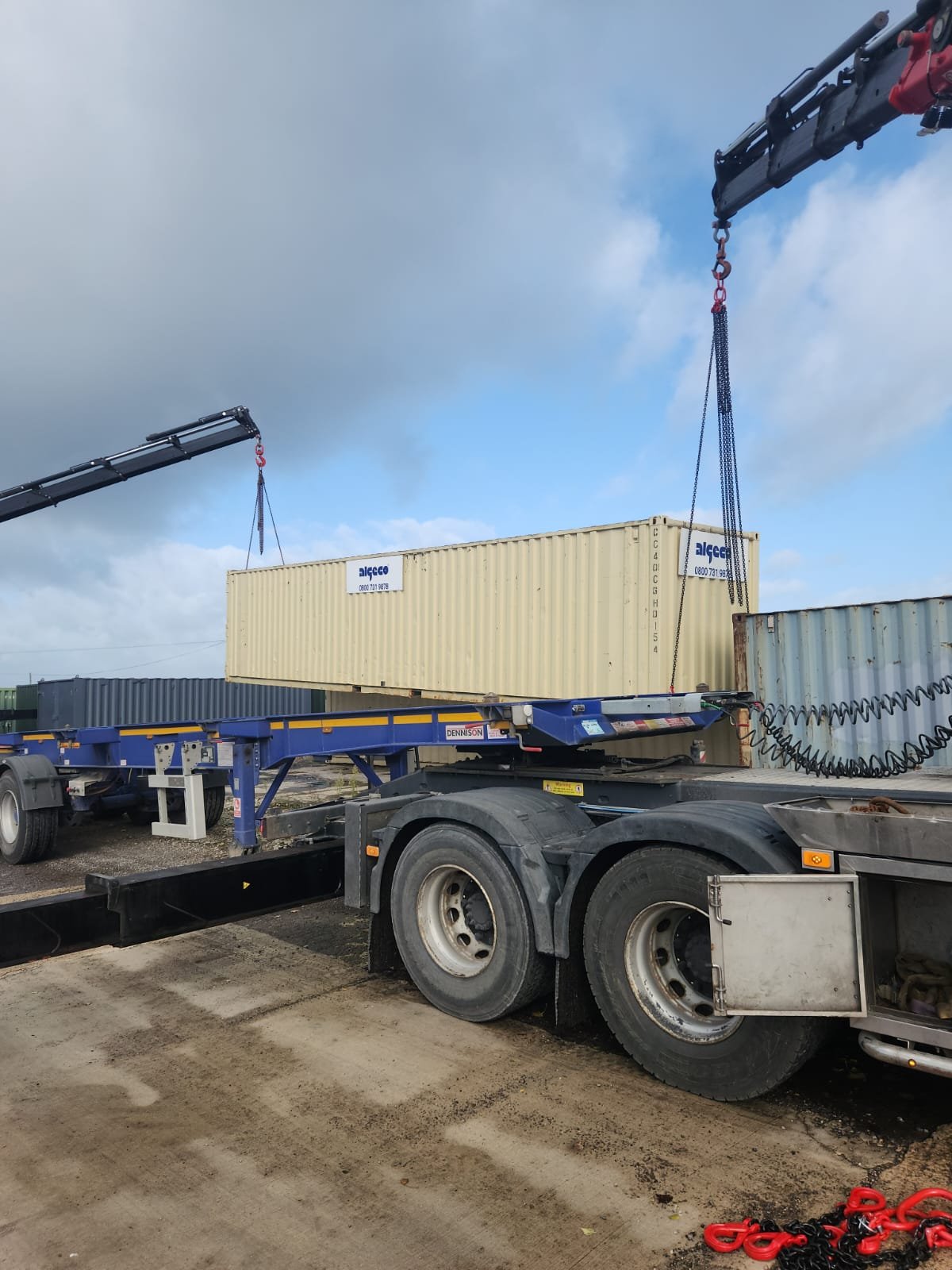
HIAB Hire for London Construction Projects: Planning Better Deliveries
Construction deliveries work best when they fit the project rather than interrupt it. A vehicle arriving at the wrong gate, materials ordered before space is available or an unloading position occupied by another contractor can all disrupt the working day. For suitable loads and locations, HIAB hire in London can combine road transport with crane-assisted loading or unloading. The value lies in matching that arrangement to the project’s actual needs, including the delivery sequence, available space and responsibilities on site. This guide looks at construction delivery planning from the contractor’s perspective. Whether your project is near Heathrow, in Ealing or elsewhere across Greater London, a clear delivery brief helps turn a general transport enquiry into a practical discussion. Begin With the Construction Programme Start by identifying when the materials are genuinely needed and which activity depends on their arrival. A preferred date is more useful when it is connected to a specific stage of work. Ask whether the site can accept the delivery before that stage begins. Early arrival may appear helpful, but it can create storage problems if the materials occupy space needed by other trades. Equally, an unnecessarily late booking may leave too little time to resolve access questions. Share the relevant programme information with the supplier. If a delivery cannot proceed until another contractor finishes, explain that dependency. The booking should reflect a realistic sequence rather than an optimistic date that nobody has checked. Specify Each Load Clearly Construction materials come in different forms, and a description such as “a few pallets” does not provide enough detail for assessment. Obtain the quantity, dimensions, weight and packaging information from the merchant or manufacturer. Explain whether the order includes mixed materials, long components or separate equipment. Provide photographs where available and identify anything that needs particular handling information. If the purchase order changes, update the transport enquiry. Adding another pack or substituting a product can alter the job even if the destination remains the same. Keeping the load description current helps the supplier discuss the arrangement against what will actually be collected, rather than an earlier version of the order. Plan the Unloading Position The place where materials arrive should be agreed with the site manager before booking. Think about what happens immediately after unloading: which trade needs access, how the materials will be used and whether the proposed position interferes with other activities. Provide a drawing or marked photograph showing the intended area. If several subcontractors share the site, make sure they understand that the space has been allocated to the delivery. A requested landing position is subject to the supplier’s assessment. Do not assume that a crane can place a load anywhere visible from the road. Explain your preferred outcome, provide the available site information and ask what is achievable with an appropriate vehicle and lifting arrangement. Distinguish Delivery From Installation A transport booking and an installation operation can involve different work. Delivering steelwork to an agreed storage position, for example, is different from positioning it as part of a structural installation. Describe your requirement without relying on broad phrases such as “put it in place”. State whether the item is being delivered for later use or whether another contractor expects it to be held or positioned during an installation activity. For lifting arrangements, HSE’s construction lifting guidance explains the importance of competent planning, supervision and clearly allocated responsibilities. Ask what the proposed hire includes and confirm who is responsible for any additional work. A crane vehicle arriving on site does not, by itself, define the agreed scope. Coordinate With the Merchant and Receiving Team A construction delivery may involve the contractor, merchant, transport supplier and a separate site manager. Each needs consistent information about the load, collection appointment and destination. Confirm that the merchant will release the goods on the agreed date and knows which vehicle or company is collecting. Provide the order number and a contact who can resolve discrepancies before departure. At the receiving site, identify someone who understands the delivery arrangement and can be contacted during the visit. Avoid leaving the driver to find a person who has never seen the booking. A short confirmation shared with all parties is often more useful than several separate conversations containing slightly different instructions. Allow for Shared Streets and Public Access London construction sites often sit beside occupied homes, shops or workplaces. Where your delivery could affect the public highway, investigate the arrangements before confirming the visit. Hounslow Council’s highways licensing information includes crane operations among temporary structures requiring a licence on the highway. For roads managed by TfL, its highway licences guidance explains the available categories, including mobile crane activity. Check which authority manages the location and what applies to the proposed operation. Agree who will make any enquiries or applications. A nearby loading bay or a client’s permission to use a frontage should not be treated as confirmation that every required arrangement is in place. Ask About Load Preparation and Restraint Materials need to be ready for the agreed collection method. Ask the merchant what packaging and handling information will accompany the order, and pass relevant details to the transport supplier. The DVSA’s guidance on different load types addresses construction products and palletised goods. It explains that construction products must be secured to the vehicle and that securing a pallet alone is insufficient if the goods can move separately. The supplier should assess the appropriate transport arrangements. Your role is to describe the goods accurately, disclose changes and make sure collection staff know what has been agreed. Avoid last-minute repacking or combining orders without checking whether the original proposal remains suitable. Use Delivery Sequences That Match Available Space A small site may be better served by a planned sequence of deliveries than by receiving everything at once. Discuss the programme with the merchant and transport supplier before deciding whether consolidation is useful. For example, materials needed for an early work stage may have no practical reason to travel with items intended for a
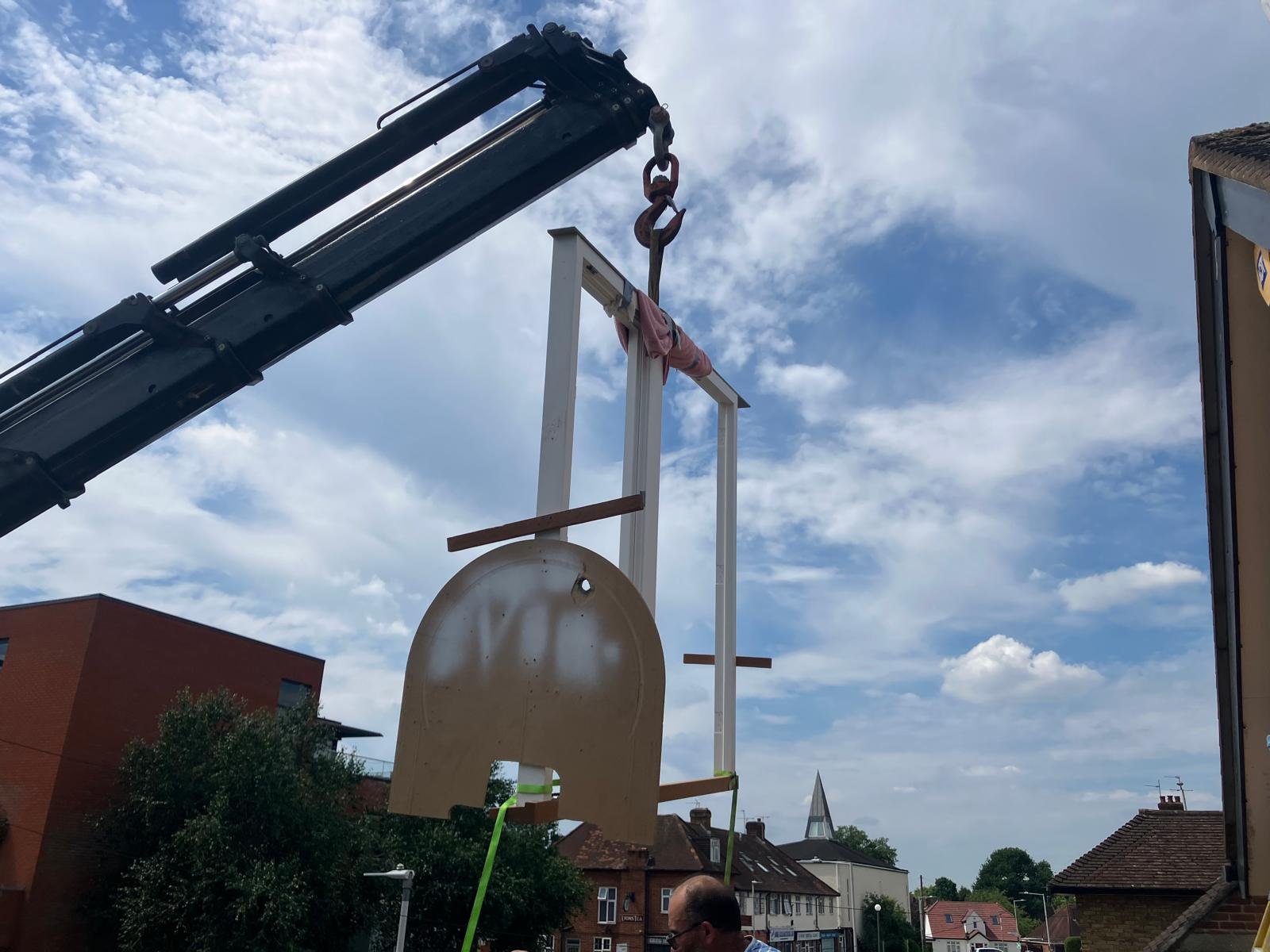
Moving Machinery in Greater London: When to Consider HIAB Hire
A machinery move can begin with a simple business decision: replace an ageing unit, relocate a workshop or collect equipment purchased from another company. The transport question follows quickly. How will the item leave its current position, travel to the new premises and reach an agreed unloading point? HIAB hire in Greater London may be worth considering where a suitable lorry-mounted crane can support the lifting and transport required. Suitability depends on the actual machine, its handling requirements and the conditions at both premises. Before requesting a price, build a clear picture of the move. This guide focuses on the information that helps a machinery transport enquiry progress, from identifying the equipment to coordinating its arrival at a new site. Define the Machinery Move Properly “Move a machine” can describe very different projects. One customer may need to transport a freestanding item already positioned outside. Another may require equipment removed from a production line, taken through a building and delivered into a workshop. Describe where the transport supplier’s work should begin and end. If the machine remains indoors, explain the route between its current position and the proposed loading area. Ask whether additional machinery-moving expertise is required for that stage. Distinguish collection and delivery from disconnection, dismantling, installation and commissioning. These activities need their own agreement. A clearer scope helps prevent a transport quotation from being mistaken for a complete factory relocation package. Identify the Exact Equipment Start with the manufacturer, model, serial number where available and the most relevant technical documentation. A familiar product name may cover several versions with different dimensions or configurations. Ask the owner or manufacturer for the transport weight and overall measurements. Explain whether attachments, guards, support frames or packaging are included. If the equipment has been modified, provide details rather than assuming the original specification still applies. Photograph the machine from several sides and include close views of its identification plate. Mark which item is moving if the photographs show several similar units. This is especially helpful for purchases from workshops or auction premises, where a collection team may otherwise have to establish which machine has been released. Obtain Handling Information From the Right Source Ask for the manufacturer’s lifting, transport and preparation instructions. These can help the competent people assessing the move understand how the equipment is intended to be handled. Avoid treating an accessible frame member or convenient opening as confirmation of a suitable lifting point. If documentation is missing, say so and ask what further assessment is required. The transport discussion should be based on verified information rather than assumptions made from a photograph. Where equipment has sensitive components, tell the supplier what the manufacturer recommends for transport. A machine that looks robust externally may still require specific preparation. The useful question is what information the transport team needs, rather than how quickly the item can be made available. Agree Who Prepares the Machine Preparation should have an identified owner. Ask the machinery owner which competent specialists will isolate services, disconnect connections or complete any necessary dismantling. Confirm when that work will be finished and how readiness will be communicated. Tell the supplier about fluids, batteries, attached cylinders or other features that may affect the proposed transport. Do not assume that an item described as “switched off” is ready to move. Make an inventory of loose parts, tools, manuals and accessories travelling with the main unit. Photograph them and identify how they will be packaged. A successful move includes the components needed at the destination, so it is worth confirming their collection before the main machine leaves. Assess the Premises as Well as the Machine The route through a property can be as significant as the equipment itself. Explain whether the machine is on a ground floor, behind another production line or inside a building with limited door clearance. Provide photographs of the route to the loading area, together with available measurements. Tell the supplier about changes in level, thresholds and anything that limits access. Ask which details need specialist verification. For the external transport stage, describe the entrance and working area. A delivery yard may be shared by several occupiers or used continuously by customers. Identifying these arrangements during the enquiry allows the people involved to discuss a workable visit rather than discovering competing uses on arrival. Consider London Routing and Vehicle Requirements A short journey across London still requires a suitable vehicle and an appropriate route. Provide both addresses early, including the precise entrance and any restrictions supplied by the premises manager. For relevant vehicles, Transport for London’s Direct Vision Standard information explains the HGV Safety Permit Scheme. Lorries over 12 tonnes gross vehicle weight generally need a valid permit to operate in Greater London, subject to the scheme’s exemptions. The transport operator should check the requirements for the proposed vehicle. From a customer’s perspective, the most useful contribution is accurate destination information. If a supplier suggests a different access route or asks about a particular entrance, obtain the answer from the site rather than relying on a general navigation result. Plan Lifting and Transport as Connected Stages Getting a machine onto a vehicle and securing it for travel are related but separate tasks. The people planning the job need to consider the complete movement and the equipment involved. HSE’s guidance on planning lifting operations explains that the planning and resources should reflect the operation’s complexity and foreseeable risks. Ask who will provide the necessary planning and what information they require from you. For the journey, the DVSA’s load-securing guidance explains that the securing system must suit the load and vehicle. Customers should disclose unusual characteristics and provide relevant documentation so that the transport arrangements can be assessed properly. Coordinate Business Downtime Transport dates often depend on more than vehicle availability. The seller may need the machine until a replacement arrives, while the buyer may need it before a new contract begins. Treat these dependencies as part of the booking conversation. Agree who can release the equipment and
HIAB Hire in Heathrow: How to Plan a Successful Collection and Delivery
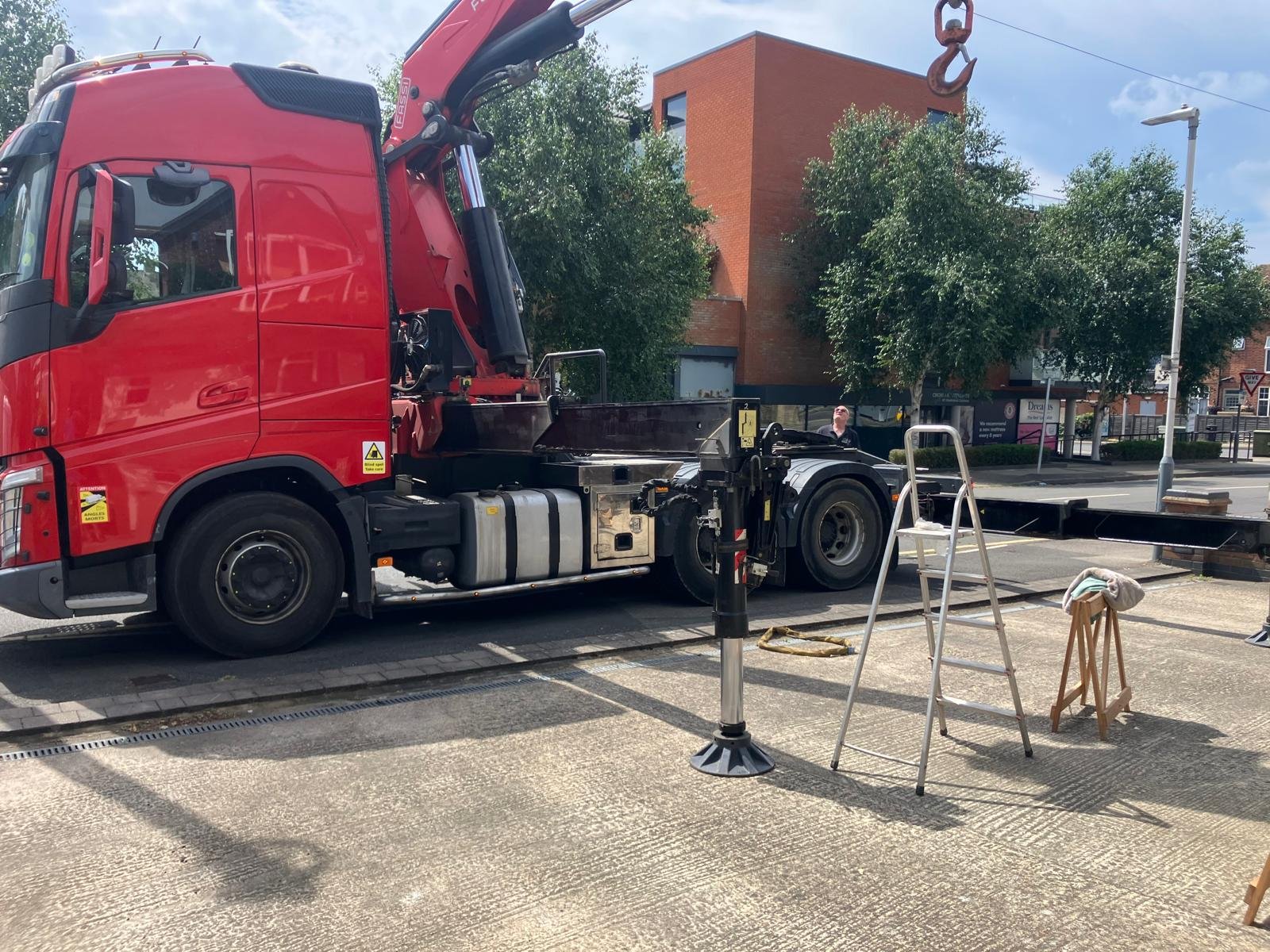
Moving a heavy load around Heathrow involves more than choosing a collection time. The item must be ready, the vehicle must reach the right entrance and somebody must be available to receive it. When those details sit with different people, even a straightforward delivery can become unnecessarily complicated. Planning your HIAB hire in Heathrow gives everyone a shared understanding of the job before transport is booked. It also gives the supplier an opportunity to assess whether the proposed lifting and transport arrangement suits your load and both locations. At MC Recovery, we welcome enquiries for HIAB hire in Heathrow. This guide explains what information to gather, which questions to ask and how to prepare a useful brief for a collection or delivery around Heathrow and West London. Start With the Whole Journey Think about your move as a sequence, beginning with releasing the item at collection and ending with an agreed handover. A booking described simply as “collect from Heathrow” leaves important questions unanswered. Is the load at a warehouse, a contractor’s compound, a supplier’s yard or an address within airport premises? Provide the full collection address, postcode, business name and precise entrance. Add the delivery details with the same care. If a trading estate has several gates, identify the correct one rather than relying on the postcode alone. Explain whether you need transport between addresses or a lifting operation at one location. These are different requirements, and describing the complete task helps the supplier discuss a suitable service. Describe the Load Before Choosing a Vehicle The starting point is reliable information about the item. Give its weight, overall dimensions, quantity and condition. Where possible, obtain these details from the manufacturer, owner or supplier rather than estimating from appearance. Photographs are particularly useful when an item has projections, attached components or an unusual shape. Include a clear view of any identification plate and available handling instructions. Tell the supplier whether the dimensions describe the item itself or include packaging. If the load has changed since its paperwork was produced, explain what has been added or removed. An equipment cabinet fitted with internal components may differ considerably from the empty enclosure described in an old quotation. Accurate information allows the proposal to be assessed against the actual job. Show Both Locations Clearly A close photograph of the load cannot show the full collection environment. Take wider photographs of the entrance, approach, working area and intended destination. Describe anything that a visiting driver might not discover until arrival. For example, a warehouse may have an accessible front entrance but store the item in a separate rear yard. A delivery address might have room for a vehicle outside while the requested landing position is behind a building. Ask the supplier what measurements or further images they need. Photographs support the discussion, but they do not replace a site assessment where one is necessary. If something remains uncertain, identify it early rather than allowing a photograph to suggest more clearance than exists. Make Heathrow Access Arrangements Explicit A job near Heathrow and a job inside controlled airport premises need different conversations. Do not assume that a booking for the Heathrow area automatically includes access to restricted land, terminals, operational areas or secure compounds. Ask the person controlling the collection or delivery site what visiting vehicles and personnel must provide. Confirm who will arrange access, whether an escort is needed and which contact can resolve a problem at the gate. Pass any written instructions to the transport supplier before the booking is finalised. For a business park or warehouse outside the airport boundary, the key issue may simply be identifying the correct loading entrance and appointment reference. Describe the real setting rather than using “airport delivery” as shorthand for every nearby address. Check Aviation Requirements Early Crane activity near an airport can require additional notification or coordination. The Civil Aviation Authority’s crane notification guidance explains the relevant process and encourages crane users to liaise directly with aerodrome operators. Requirements depend on the location and proposed operation; a Heathrow postcode alone does not determine the answer. Raise this with the people planning the lift before agreeing a firm working date. Establish who will check the requirements and obtain any necessary confirmation. Do not assume that a short visit or relatively modest crane removes the need to ask. This is especially useful when several contractors are involved. Recording who owns the enquiry prevents everyone from assuming that another company has already dealt with it. Separate Site Permission From Highway Arrangements Permission to enter a private yard does not automatically settle arrangements affecting the public highway. Similarly, finding an empty parking space does not establish that it can be used for the proposed work. For relevant locations, Hillingdon Council’s parking suspension guidance explains that crane operations require permission before an associated parking suspension application. Check the current process directly with the authority responsible for the address. Tell your supplier if the working position could affect a road, pavement or parking bay. Ask who will investigate any permissions and how these will influence the programme. Raising the question during planning leaves time to change the arrangement if the original position cannot be approved. Agree What Each Party Will Provide The person placing the order, the load owner and the receiving business may all have different roles. Put those roles into plain language before the move. Who releases the item? Who confirms it is ready? Who receives it? Who can authorise a change? Ask what is included in the proposed hire and what remains your responsibility. This could include preparing the site, making the load available or arranging a competent specialist to disconnect equipment. For the lifting arrangements, HSE’s LOLER overview explains that operations must be properly planned by a competent person, appropriately supervised and carried out safely. An operator booking should therefore be accompanied by a clear discussion of the work and responsibilities. Build the Delivery Around a Ready Destination A useful arrival time is one that the

What Can HIAB Hire Be Used For Near Heathrow?
Learn how HIAB hire supports lifting, loading and transport jobs near Heathrow, from site deliveries to heavy item movement.