
Construction deliveries work best when they fit the project rather than interrupt it. A vehicle arriving at the wrong gate, materials ordered before space is available or an unloading position occupied by another contractor can all disrupt the working day.
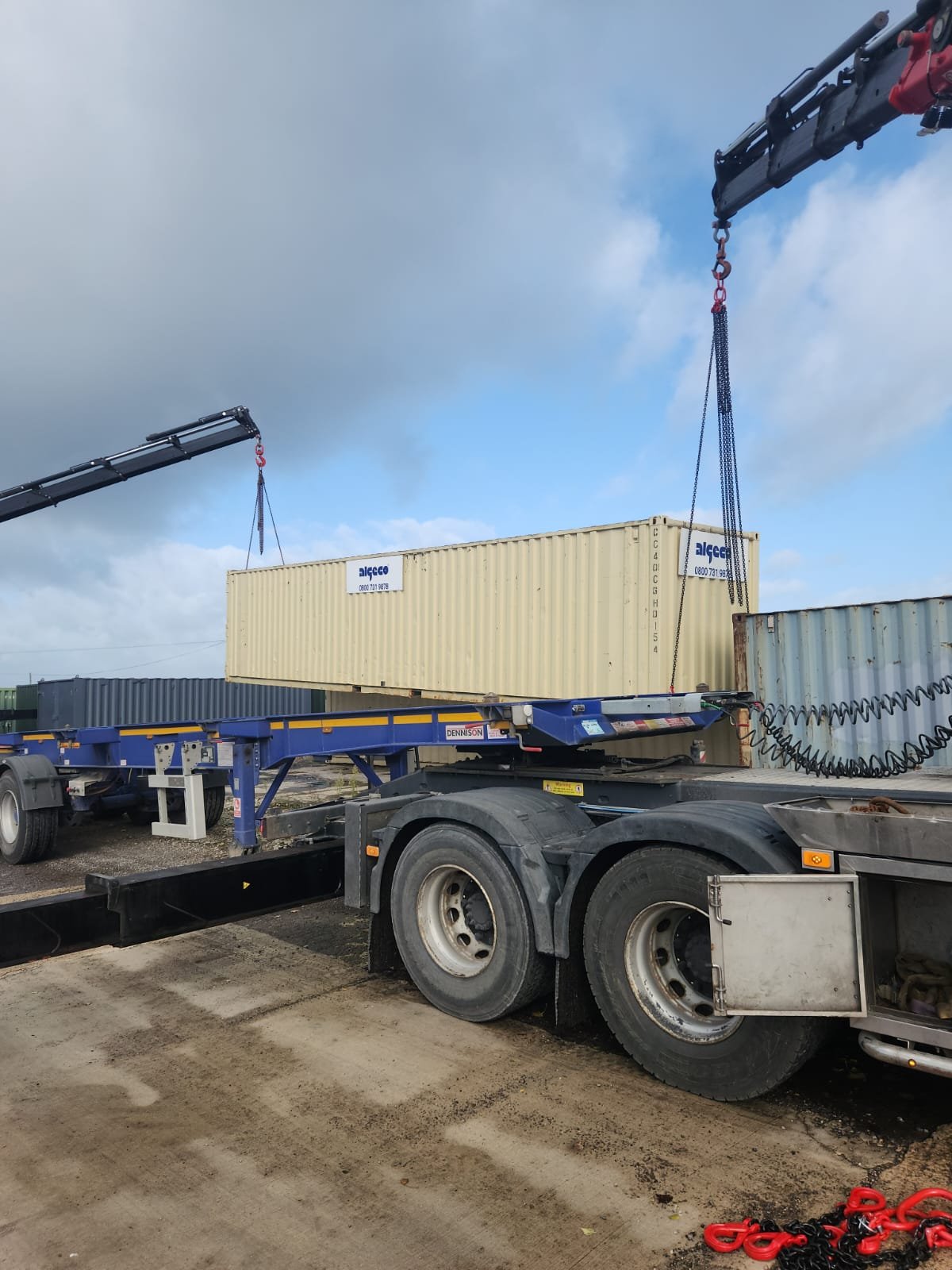
For suitable loads and locations, HIAB hire in London can combine road transport with crane-assisted loading or unloading. The value lies in matching that arrangement to the project’s actual needs, including the delivery sequence, available space and responsibilities on site.
This guide looks at construction delivery planning from the contractor’s perspective. Whether your project is near Heathrow, in Ealing or elsewhere across Greater London, a clear delivery brief helps turn a general transport enquiry into a practical discussion.
Begin With the Construction Programme
Start by identifying when the materials are genuinely needed and which activity depends on their arrival. A preferred date is more useful when it is connected to a specific stage of work.
Ask whether the site can accept the delivery before that stage begins. Early arrival may appear helpful, but it can create storage problems if the materials occupy space needed by other trades. Equally, an unnecessarily late booking may leave too little time to resolve access questions.
Share the relevant programme information with the supplier. If a delivery cannot proceed until another contractor finishes, explain that dependency. The booking should reflect a realistic sequence rather than an optimistic date that nobody has checked.
Specify Each Load Clearly
Construction materials come in different forms, and a description such as “a few pallets” does not provide enough detail for assessment. Obtain the quantity, dimensions, weight and packaging information from the merchant or manufacturer.
Explain whether the order includes mixed materials, long components or separate equipment. Provide photographs where available and identify anything that needs particular handling information.
If the purchase order changes, update the transport enquiry. Adding another pack or substituting a product can alter the job even if the destination remains the same. Keeping the load description current helps the supplier discuss the arrangement against what will actually be collected, rather than an earlier version of the order.
Plan the Unloading Position
The place where materials arrive should be agreed with the site manager before booking. Think about what happens immediately after unloading: which trade needs access, how the materials will be used and whether the proposed position interferes with other activities.
Provide a drawing or marked photograph showing the intended area. If several subcontractors share the site, make sure they understand that the space has been allocated to the delivery.
A requested landing position is subject to the supplier’s assessment. Do not assume that a crane can place a load anywhere visible from the road. Explain your preferred outcome, provide the available site information and ask what is achievable with an appropriate vehicle and lifting arrangement.
Distinguish Delivery From Installation
A transport booking and an installation operation can involve different work. Delivering steelwork to an agreed storage position, for example, is different from positioning it as part of a structural installation.
Describe your requirement without relying on broad phrases such as “put it in place”. State whether the item is being delivered for later use or whether another contractor expects it to be held or positioned during an installation activity.
For lifting arrangements, HSE’s construction lifting guidance explains the importance of competent planning, supervision and clearly allocated responsibilities. Ask what the proposed hire includes and confirm who is responsible for any additional work. A crane vehicle arriving on site does not, by itself, define the agreed scope.
Coordinate With the Merchant and Receiving Team
A construction delivery may involve the contractor, merchant, transport supplier and a separate site manager. Each needs consistent information about the load, collection appointment and destination.
Confirm that the merchant will release the goods on the agreed date and knows which vehicle or company is collecting. Provide the order number and a contact who can resolve discrepancies before departure.
At the receiving site, identify someone who understands the delivery arrangement and can be contacted during the visit. Avoid leaving the driver to find a person who has never seen the booking. A short confirmation shared with all parties is often more useful than several separate conversations containing slightly different instructions.
Allow for Shared Streets and Public Access
London construction sites often sit beside occupied homes, shops or workplaces. Where your delivery could affect the public highway, investigate the arrangements before confirming the visit.
Hounslow Council’s highways licensing information includes crane operations among temporary structures requiring a licence on the highway. For roads managed by TfL, its highway licences guidance explains the available categories, including mobile crane activity.
Check which authority manages the location and what applies to the proposed operation. Agree who will make any enquiries or applications. A nearby loading bay or a client’s permission to use a frontage should not be treated as confirmation that every required arrangement is in place.
Ask About Load Preparation and Restraint
Materials need to be ready for the agreed collection method. Ask the merchant what packaging and handling information will accompany the order, and pass relevant details to the transport supplier.
The DVSA’s guidance on different load types addresses construction products and palletised goods. It explains that construction products must be secured to the vehicle and that securing a pallet alone is insufficient if the goods can move separately.
The supplier should assess the appropriate transport arrangements. Your role is to describe the goods accurately, disclose changes and make sure collection staff know what has been agreed. Avoid last-minute repacking or combining orders without checking whether the original proposal remains suitable.
Use Delivery Sequences That Match Available Space
A small site may be better served by a planned sequence of deliveries than by receiving everything at once. Discuss the programme with the merchant and transport supplier before deciding whether consolidation is useful.
For example, materials needed for an early work stage may have no practical reason to travel with items intended for a much later phase. Combining them could reduce journeys but increase storage pressure. Separate deliveries may offer a better overall arrangement where space is the main constraint.
Consider the complete effect on the project. The right choice depends on quantities, collection readiness, site capacity and the supplier’s proposed service. Ask for options and compare them against the actual working programme rather than assuming one large delivery is always preferable.
Consider On-Site Lifting Requirements Separately
Sometimes the materials have already arrived and the remaining requirement is a lift within the site. In that case, explain that transport between addresses is unnecessary and describe the current and intended positions.
MC Recovery has information about on-site HIAB hire in Brentford. You can also discuss HIAB hire in Ealing or Wembley when planning work in those areas.
For another useful enquiry route, visit MC HIAB Hire. Provide the project details and ask whether the proposed task is suitable. Keeping lifting-only work distinct from haulage helps the quotation describe the service you actually need.
Create a Clear Call-Off Process
Where a project needs several deliveries, nominate one person to confirm each call-off. The merchant, transport supplier and site manager should know whose instruction turns a provisional requirement into a confirmed movement.
For example, a refurbishment in Ealing might need materials in stages as rooms become available. The first delivery does not automatically establish that the site can accept the next one under identical conditions. Work may have progressed, the entrance may be shared with another contractor or the available storage position may have changed.
Before each movement, check the order, access and receiving arrangements against the current programme. Record amendments under the same project reference so that an old instruction does not accidentally become the basis for a later visit.
This also helps with commercial administration. A delivery record that identifies the purchase order and receiving contact makes it easier to match the transport service to the correct project cost. When several subcontractors place orders independently, consistent references reduce confusion about who requested the visit and which materials should arrive. Agree the communication process at the outset rather than inventing it during a busy delivery morning. Share that process with replacement staff.
Construction Delivery Questions
Can materials be delivered directly beside the work area?
Possibly, depending on access and the assessed lifting arrangement. Share your preferred position and explain why it matters to the programme. The supplier must confirm what is achievable; a photograph of an empty area does not establish that it is a suitable landing location.
Should the builder or merchant arrange the HIAB?
Either may coordinate the enquiry, but one party should take responsibility for maintaining the agreed brief. Confirm who is placing the order, who pays and who communicates changes. Both the collection point and receiving site need the final instructions.
What happens if the site is not ready?
Tell the supplier as soon as the problem becomes apparent. Ask about rearrangement terms and the effect on collection or delivery appointments. It is more productive to review the booking before dispatch than to wait until the vehicle reaches an unavailable site.
Plan Your Next London Construction Delivery
A useful delivery plan connects the materials order, collection arrangements and site programme. It identifies a ready destination, a realistic appointment and the people responsible for each stage.
If your project needs HIAB hire around Heathrow or elsewhere in London, gather the load details and photographs before enquiring. Contact MC Recovery to discuss the requirement and the information needed to assess a suitable service.