
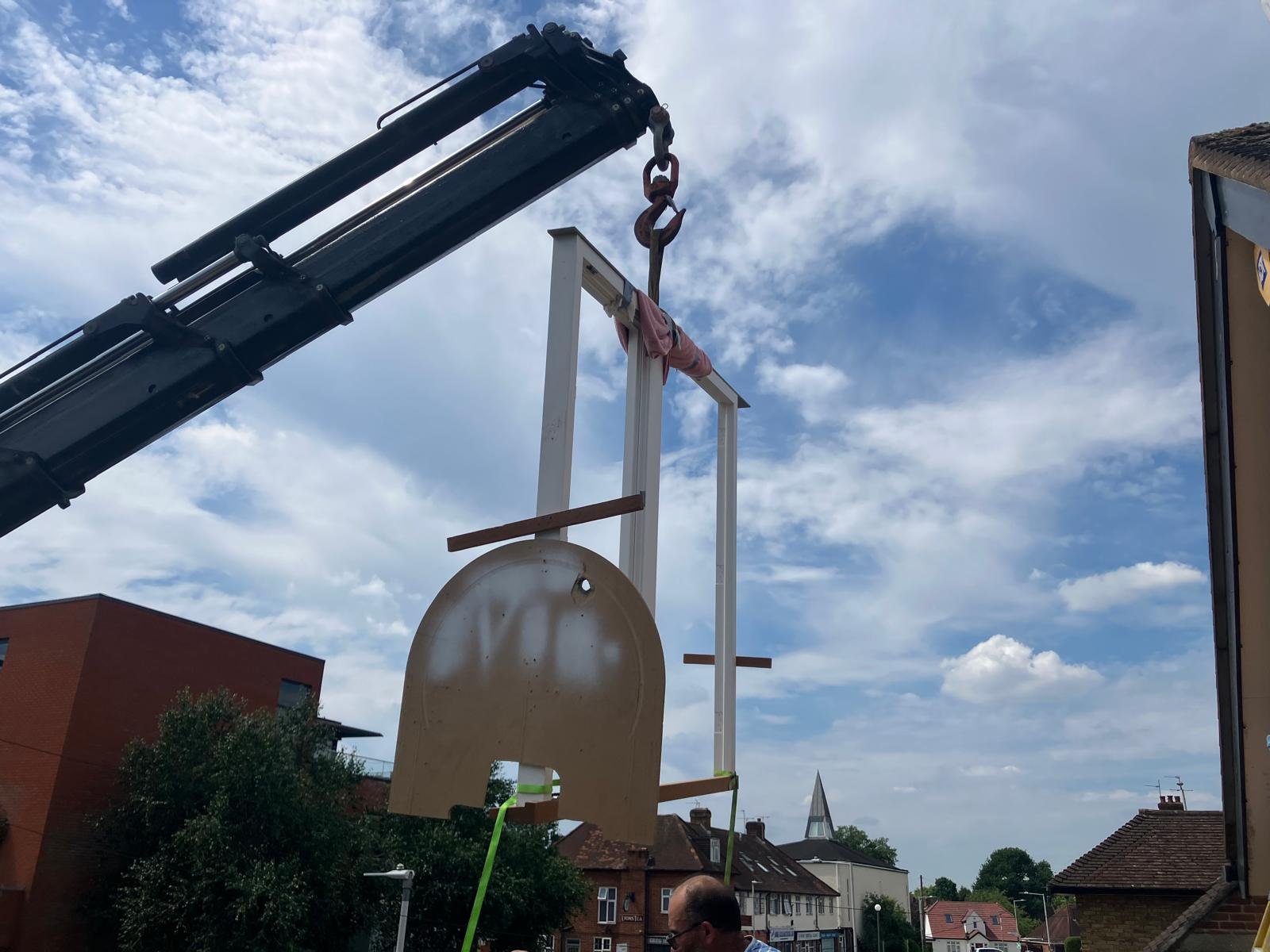
A machinery move can begin with a simple business decision: replace an ageing unit, relocate a workshop or collect equipment purchased from another company. The transport question follows quickly. How will the item leave its current position, travel to the new premises and reach an agreed unloading point?
HIAB hire in Greater London may be worth considering where a suitable lorry-mounted crane can support the lifting and transport required. Suitability depends on the actual machine, its handling requirements and the conditions at both premises.
Before requesting a price, build a clear picture of the move. This guide focuses on the information that helps a machinery transport enquiry progress, from identifying the equipment to coordinating its arrival at a new site.
Define the Machinery Move Properly
“Move a machine” can describe very different projects. One customer may need to transport a freestanding item already positioned outside. Another may require equipment removed from a production line, taken through a building and delivered into a workshop.
Describe where the transport supplier’s work should begin and end. If the machine remains indoors, explain the route between its current position and the proposed loading area. Ask whether additional machinery-moving expertise is required for that stage.
Distinguish collection and delivery from disconnection, dismantling, installation and commissioning. These activities need their own agreement. A clearer scope helps prevent a transport quotation from being mistaken for a complete factory relocation package.
Identify the Exact Equipment
Start with the manufacturer, model, serial number where available and the most relevant technical documentation. A familiar product name may cover several versions with different dimensions or configurations.
Ask the owner or manufacturer for the transport weight and overall measurements. Explain whether attachments, guards, support frames or packaging are included. If the equipment has been modified, provide details rather than assuming the original specification still applies.
Photograph the machine from several sides and include close views of its identification plate. Mark which item is moving if the photographs show several similar units. This is especially helpful for purchases from workshops or auction premises, where a collection team may otherwise have to establish which machine has been released.
Obtain Handling Information From the Right Source
Ask for the manufacturer’s lifting, transport and preparation instructions. These can help the competent people assessing the move understand how the equipment is intended to be handled.
Avoid treating an accessible frame member or convenient opening as confirmation of a suitable lifting point. If documentation is missing, say so and ask what further assessment is required. The transport discussion should be based on verified information rather than assumptions made from a photograph.
Where equipment has sensitive components, tell the supplier what the manufacturer recommends for transport. A machine that looks robust externally may still require specific preparation. The useful question is what information the transport team needs, rather than how quickly the item can be made available.
Agree Who Prepares the Machine
Preparation should have an identified owner. Ask the machinery owner which competent specialists will isolate services, disconnect connections or complete any necessary dismantling. Confirm when that work will be finished and how readiness will be communicated.
Tell the supplier about fluids, batteries, attached cylinders or other features that may affect the proposed transport. Do not assume that an item described as “switched off” is ready to move.
Make an inventory of loose parts, tools, manuals and accessories travelling with the main unit. Photograph them and identify how they will be packaged. A successful move includes the components needed at the destination, so it is worth confirming their collection before the main machine leaves.
Assess the Premises as Well as the Machine
The route through a property can be as significant as the equipment itself. Explain whether the machine is on a ground floor, behind another production line or inside a building with limited door clearance.
Provide photographs of the route to the loading area, together with available measurements. Tell the supplier about changes in level, thresholds and anything that limits access. Ask which details need specialist verification.
For the external transport stage, describe the entrance and working area. A delivery yard may be shared by several occupiers or used continuously by customers. Identifying these arrangements during the enquiry allows the people involved to discuss a workable visit rather than discovering competing uses on arrival.
Consider London Routing and Vehicle Requirements
A short journey across London still requires a suitable vehicle and an appropriate route. Provide both addresses early, including the precise entrance and any restrictions supplied by the premises manager.
For relevant vehicles, Transport for London’s Direct Vision Standard information explains the HGV Safety Permit Scheme. Lorries over 12 tonnes gross vehicle weight generally need a valid permit to operate in Greater London, subject to the scheme’s exemptions. The transport operator should check the requirements for the proposed vehicle.
From a customer’s perspective, the most useful contribution is accurate destination information. If a supplier suggests a different access route or asks about a particular entrance, obtain the answer from the site rather than relying on a general navigation result.
Plan Lifting and Transport as Connected Stages
Getting a machine onto a vehicle and securing it for travel are related but separate tasks. The people planning the job need to consider the complete movement and the equipment involved.
HSE’s guidance on planning lifting operations explains that the planning and resources should reflect the operation’s complexity and foreseeable risks. Ask who will provide the necessary planning and what information they require from you.
For the journey, the DVSA’s load-securing guidance explains that the securing system must suit the load and vehicle. Customers should disclose unusual characteristics and provide relevant documentation so that the transport arrangements can be assessed properly.
Coordinate Business Downtime
Transport dates often depend on more than vehicle availability. The seller may need the machine until a replacement arrives, while the buyer may need it before a new contract begins. Treat these dependencies as part of the booking conversation.
Agree who can release the equipment and who will attend at the receiving premises. If contractors must disconnect or reconnect it, coordinate their appointments with the transport programme.
Where possible, allow time between delivery and the point at which production must resume. Arrival does not necessarily mean the machine is ready for use. Installation checks and commissioning may still be required, and those stages should be confirmed with the relevant specialists rather than assumed to form part of haulage.
Record Condition and Complete the Handover
Before collection, photograph the equipment and record any visible existing damage. Keep the photographs with the order reference, machine details and agreed scope. Ask how the transport supplier records collection and delivery.
At the destination, make sure the receiving person knows what should arrive. Provide the inventory of accessories and documents so that these can be checked against the delivery.
Discuss any concerns promptly and keep communications factual. A clear record benefits the owner, buyer and transport provider because everyone can refer to the same information. It also helps distinguish questions about the machine’s previous condition from questions about its movement or subsequent installation.
Arrange HIAB Hire Around Your Greater London Premises
MC Recovery welcomes enquiries about HIAB hire in Heathrow and transport requirements. For West London locations, you can discuss HIAB hire in Southall or HIAB hire in Uxbridge alongside the complete route.
You can also visit MC HIAB Hire to explore operator-led HIAB hire. Explain the machinery, premises and intended scope before treating any vehicle type as the confirmed solution.
Think About Replacement and Removal Together
If new machinery is replacing an existing unit, describe both movements at the enquiry stage. The old machine may need to leave before the replacement can enter, or the business may need a period with both units on the premises.
For example, a workshop moving equipment from Southall to another Greater London address might want to coordinate the collection with a separate supplier delivering a replacement. Agree which activity happens first and who confirms that the necessary space is available.
Ask whether the transport provider can assess the complete requirement or whether separate bookings are more appropriate. Avoid assuming that a return journey can accommodate another machine without checking its details. Treating replacement and removal as connected business decisions helps you identify dependencies early, even when the eventual transport arrangements are separate. It also gives your own staff a clearer picture of when equipment will be unavailable and when the working area must be cleared.
Machinery Transport Questions
Can a HIAB collect machinery from inside a workshop?
That depends on the equipment’s position and the assessed handling arrangement. Internal movement may require separate specialists or equipment before a lorry can collect it. Explain the complete route and ask where the proposed service begins.
Do I need to know the machine’s weight?
Provide a reliable weight before the transport arrangement is confirmed. Ask the manufacturer or owner for documentation and identify any modifications. If the weight is unknown, tell the supplier so that the next step can be agreed rather than relying on an estimate.
Does delivery include installation?
Only if it is expressly included in the agreed scope. Discuss placement, installation and commissioning separately, including which specialists will attend. This helps ensure that the receiving premises are ready for every stage.
Discuss Your Machinery Collection
Gather the machine specification, handling information, current photographs and both addresses before requesting a quotation. Add the preferred dates and details of any preparation still outstanding. Contact MC Recovery to discuss your Greater London machinery move and establish what further information is needed.